Skip to content
All articles

Small business basics

How to Find Government Grants for Your Australian Small Business

24 January 2024 · 8 min read · Bella Pettiona

Updated 5 June 2026

Australian small business owner reviewing government grant options on a laptop — researching small business grants in 2026.
B

Bella Pettiona

24 January 2024 · 8 min read

Static blog lists of grants go out of date in weeks. Here are the live, government-run tools that actually show you what's open today — plus what to do before you apply.

Small business grants in Australia open and close constantly. A specific cyclone recovery grant might run for six months. A state-funded innovation program might be re-funded each year with different criteria. A federal energy rebate might appear in the May budget and close by October.

That's the honest answer to "what grants can I get for my small business in 2026" — it depends what's open this month, where you are, what you do, and how fast you act. Static blog lists of grants go out of date within weeks. The real skill is knowing where to look and what to do before you apply.

This guide walks through both.

The three tools that actually find current grants

Skip the blog round-ups. Go straight to the live, government-run portals. They're updated weekly, they're authoritative, and they cover what's actually open today.

1. business.gov.au — the federal grants finder

The federal Grants and Programs Finder is the most comprehensive tool available. It lists more than 500 grants, rebates, loans and support programs from across federal, state and local governments. You answer a few questions about your business — location, industry, employee count, what you're applying for — and it returns the grants you're potentially eligible for.

Bookmark it. It updates as programs open and close, which is more often than most business owners realise.

2. Your state government's business portal

Each state and territory runs its own grant finder. These often list programs the federal tool misses, particularly smaller state-specific rebates and disaster recovery grants.

NSW: Service NSW Find Grants and Financial Help

QLD: Business Queensland Grants Finder

VIC: Business Victoria Grants and Programs

WA: Small Business Development Corporation Grants

SA: Business SA Grants

TAS: Business Tasmania Grants

NT: Business NT Grants and Funding

ACT: ACT Government Business Support

3. Your local council's economic development page

This is the one most business owners skip. Many local councils — particularly in regional areas — run their own small business grants for specific things like shopfront improvements, signage, local marketing, or operating in revitalisation zones. They're usually small (a few thousand dollars) but easier to win than federal programs and far less competitive.

Search "[your council name] business grants" or check the economic development section of your council's website.

What grants actually cover (and what they don't)

Before you spend hours on an application, understand what grants are designed for. Most Australian small business grants fall into one of five categories:

Ready to put this into practice?

Get a free, no-obligation strategy session with a Localsearch specialist.

Book a free strategy session

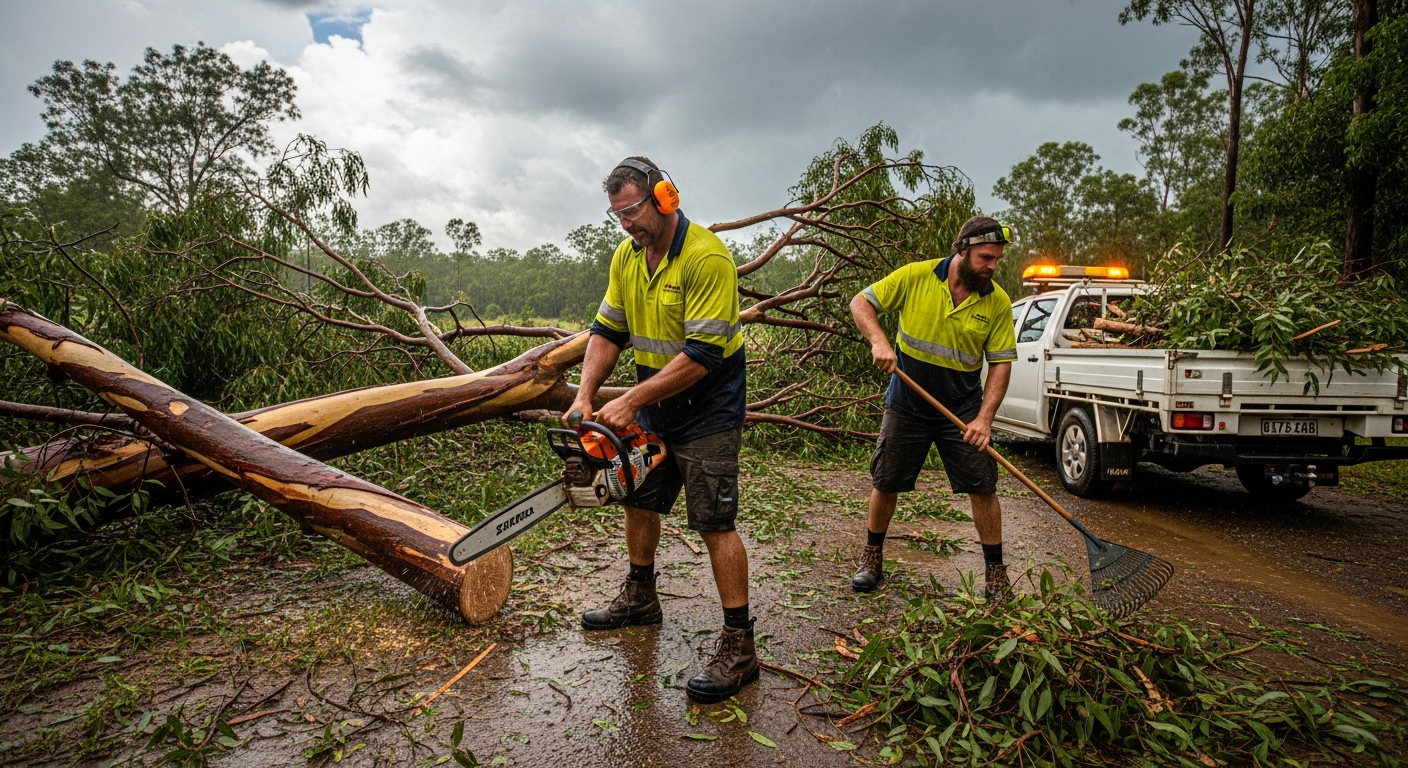
Disaster recovery. Storms, floods, bushfires, cyclones. These are reactive — they open when an event is declared and close once the recovery window passes. Amounts range from $5,000 to $50,000+ per business. Examples include the Queensland Rural and Industry Development Authority (QRIDA) Extraordinary Disaster Recovery Grants and NSW Rural Assistance Authority disaster loans.

Innovation and R&D. Federal programs like the Industry Growth Program and the R&D Tax Incentive support businesses doing genuinely innovative work — new products, new processes, exporting. These can be substantial ($50,000 to $5 million in matched funding) but they're competitive and the application process is heavy.

Workplace safety and compliance. Programs like NSW's $1,000 SafeWork Small Business Rebate help small businesses buy safety equipment. Smaller amounts, easier to win, often ongoing rather than time-limited.

Hiring incentives and training. Wage subsidies for hiring apprentices, Indigenous Australians, or jobseekers. Usually tied to specific outcomes — you have to actually hire someone and keep them employed.

Industry-specific support. Tourism, agriculture, manufacturing, exports. These come and go with government priorities. The current federal Industry Growth Program, for example, is heavily weighted toward priority sectors like clean energy and advanced manufacturing.

What grants almost never cover:

  • General cash flow or working capital
  • Paying down existing debt
  • Marketing or advertising spend (with a few specific exceptions)
  • Buying out existing businesses

If you need money for general operations, a grant isn't the right tool. A business loan, a line of credit, or a tax structuring conversation with your accountant will get you further than chasing grants that won't apply.

Before you apply — five things worth doing

Application fatigue is real. Most small businesses give up halfway through a grant application because they hit a question they don't have the answer to. A few hours of prep makes the difference between submitting six applications a year and submitting one.

1. Get your basics in order. Your ABN, your business structure, your insurances, your last two years of financials (BAS statements, profit and loss). Most grant applications ask for these. Have them in a folder on your desktop before you start.

2. Know your turnover bracket. Most Australian small business grants have an upper turnover limit — often $2 million, $10 million, or $50 million depending on the program. Knowing where you sit narrows what's worth applying for fast.

3. Sort your business plan. Many grants ask for a brief description of what the funding will achieve. Not a 40-page document — a clear paragraph on the project, the cost, and the outcome. Write one good version and adapt it for each application.

4. Check eligibility carefully before starting. Most applications take hours. The single biggest waste of time is getting halfway through before realising you don't meet a criterion you missed at step one. Read the full eligibility document before you open the application portal.

5. Apply early. Many grants are first-come-first-served. Others have rolling reviews where earlier applications get assessed first. The grants you wait until the last week to apply for are usually the ones already exhausted.

When a grant isn't the right answer

Two honest things to know.

Grants take time. From application to funds in your account is usually 8 to 16 weeks for federal programs, 4 to 6 weeks for state programs. If you need money urgently — to make payroll, to keep the lights on, to recover from a disaster that just hit — a grant isn't a fast solution. Look at low-interest disaster recovery loans, your business banker, or the NewAccess for Small Business Owners program for support.

Grants come with reporting obligations. Once you win one, you usually need to acquit the funds — show how you spent the money and that you achieved the outcomes you promised. Plan for the reporting time when you apply.

Frequently asked questions

Are small business grants in Australia really free money?

Not quite. Grants don't need to be repaid (unlike loans), but they almost always come with conditions — what you can spend the money on, when you have to spend it by, and what reporting you need to provide afterwards. You also have to apply, which takes time, and most grants are awarded to a subset of applicants rather than everyone who applies.

Can I apply for multiple grants at the same time?

Yes — and most successful businesses do. The catch: many grants ask whether you've applied for or received other government funding, and some programs won't fund projects already covered by other grants. Be honest about it.

How long does it take to receive grant funds after approval?

Two to four weeks after approval is typical. The full process from application to funds in your account is usually 10 to 20 weeks depending on the program. Plan accordingly.

Are there grants specifically for sole traders or single-person businesses?

Yes — many programs are open to sole traders provided you have an ABN. NSW's SafeWork rebate, the federal Energy Bill Relief Fund, and most state grant finders include sole trader-eligible programs. Check the eligibility section of each program rather than assuming.

What if I'm not eligible for any current grants?

Use the grant finder anyway — programs change. Set a calendar reminder to check the federal Grants and Programs Finder once a month. Also subscribe to your state government's business newsletter. Most Australian grants are announced 4–8 weeks before applications open.

The fastest way to know what your small business is actually eligible for is to spend 15 minutes on business.gov.au's grant finder right now. Answer the questions, see the shortlist, then dig into the two or three programs that genuinely fit. That's more useful than reading any blog list of specific grants — including this one.

Setting up your business to be visible and ready when grants open also matters. A complete Google Business Profile and a properly-claimed Localsearch business profile are the kinds of public-facing infrastructure that lend credibility to grant applications — they show your business is real, active, and findable.

Stay in the loop

Get the playbook in your inbox

One email a month with the marketing tactics that are actually moving the needle for Australian small businesses. No fluff, no spam.

By subscribing, you agree to our Privacy Policy.

Protected by reCAPTCHA — Privacy & Terms.

Ready to grow?

Show me how to be found

Tell us a few things and a local specialist will be in touch to arrange your strategy session.

By submitting, you agree to our Privacy Policy.

Protected by reCAPTCHA — Privacy & Terms.